
Home » Departments & Services » Ancillary Department » Laboratory
Reliable diagnostic testing supported by modern laboratory technology, professional expertise, and a commitment to accurate and timely results.
Nazarenus Hospital’s Clinical Laboratory provides diagnostic services that support physicians in evaluating, diagnosing, and monitoring a wide range of health conditions.
Through modern laboratory equipment, professional expertise, and established quality-control practices, our team works to provide reliable test results that contribute to informed medical decisions and appropriate patient care.
From routine laboratory examinations to specialized testing, the department supports both patients and healthcare professionals with diagnostic information across multiple areas of laboratory medicine.
Laboratory testing examines blood, urine, stool, tissue, and other specimens to provide information that can help physicians evaluate a patient’s health.
Different laboratory sections focus on different types of testing, from routine blood counts and clinical chemistry to infectious disease testing, microbiology, blood compatibility testing, and tissue examination.
Laboratory results are interpreted together with a patient’s medical history, symptoms, physical examination, and other diagnostic findings as part of the overall clinical assessment.
Laboratory tests can provide important information that helps physicians identify or further evaluate health conditions.
Selected tests may be repeated over time to help monitor a condition or assess response to treatment.
Accurate laboratory information helps physicians make informed decisions regarding further testing, treatment, or continuing care
The Out-Patient Department provides consultation, medical evaluation, follow-up care, and coordination with other hospital services based on each patient’s individual healthcare needs.
Modern laboratory analyzers support automated specimen processing and help improve consistency and accuracy across many types of testing.
Automated systems support efficient specimen processing and help make laboratory results available for timely clinical decision-making.
Laboratory services are supported by licensed Medical Technologists and Pathologists.
A broad range of routine and specialized laboratory examinations is available across multiple laboratory sections.
The department places importance on patient safety, comfort, confidentiality, and accurate reporting throughout the testing process. Layout
Nazarenus Hospital’s Clinical Laboratory provides a wide range of diagnostic examinations through specialized laboratory sections. Each section focuses on specific types of testing to help physicians evaluate health conditions, monitor treatment, and support appropriate medical care.
The Hematology Section examines blood and blood-forming components to provide important information about a patient’s overall blood health. These tests can help physicians evaluate conditions such as anemia, infections, bleeding disorders, and other hematologic concerns.
Available Tests
The Clinical Microscopy Section examines urine, stool, and other specimens to provide diagnostic information related to urinary, kidney, gastrointestinal, and other health concerns.
Both automated and microscopic examination may be used depending on the type of test requested.
Available Tests
The Immunology and Serology Section performs specialized tests that detect certain antigens, antibodies, and other markers in the body.
These examinations can help physicians evaluate infectious diseases, inflammation, immune response, and other conditions requiring serologic testing.
Available Tests
The Clinical Chemistry Section analyzes chemical components found in blood and other body fluids. These tests provide physicians with information that may help assess kidney function, liver function, blood sugar control, cardiovascular risk, electrolyte balance, pancreatic function, and overall metabolic health.
The Special Chemistry Section provides specialized laboratory examinations for selected hormones, thyroid function, cardiac markers, and other advanced diagnostic parameters.
These tests provide additional information that can help physicians evaluate thyroid conditions, endocrine concerns, and certain cardiac conditions.
The Blood Station provides blood typing and compatibility testing used to support safe transfusion-related care.
These examinations help healthcare professionals identify a patient’s blood type and assess compatibility when blood transfusion is required.
Available Services
The Microbiology and Bacteriology Section performs laboratory examinations that help detect and identify bacteria, fungi, and other microorganisms associated with infection.
Culture and sensitivity testing can also provide information that helps physicians determine appropriate treatment options.
Available Tests
The Histopathology Section examines tissue and cellular specimens under the microscope to provide information that can help physicians evaluate abnormal tissue changes and certain diseases.
These examinations may be used as part of the diagnostic process for conditions involving infection, inflammation, abnormal cellular changes, and other tissue abnormalities.
Available Services
In addition to our routine and specialized laboratory sections, Nazarenus Hospital offers additional diagnostic tests to support a wide range of patient and physician needs.
Available Services
Looking for another laboratory test?
For inquiries about other special laboratory tests and availability, please call the Laboratory Department at 0970-189-6184.
Nazarenus Hospital’s Clinical Laboratory uses automated and specialized laboratory systems to support accurate testing, efficient specimen processing, and reliable diagnostic results across different areas of laboratory medicine.
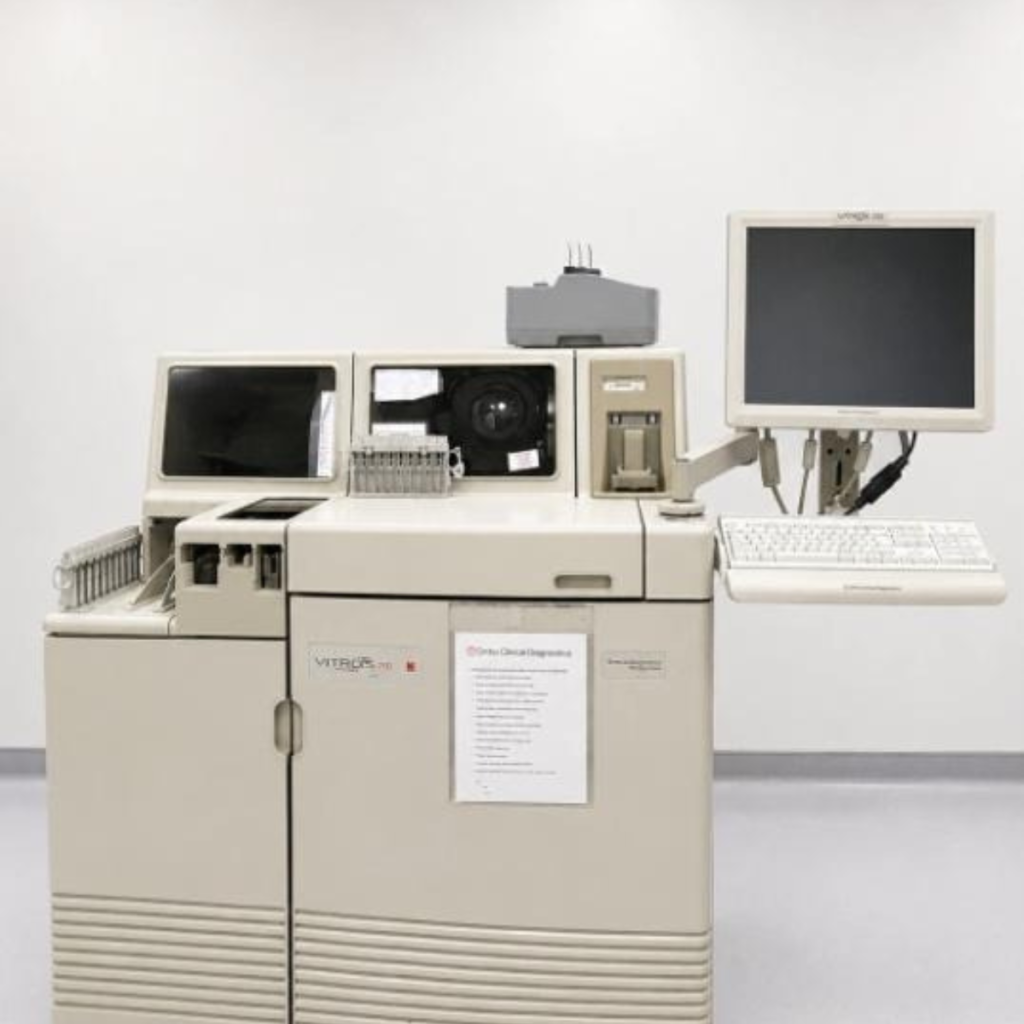
A fully automated chemistry analyzer used for a broad range of biochemical tests that help evaluate organ function, metabolic health, and other medical conditions.
Supports testing such as:
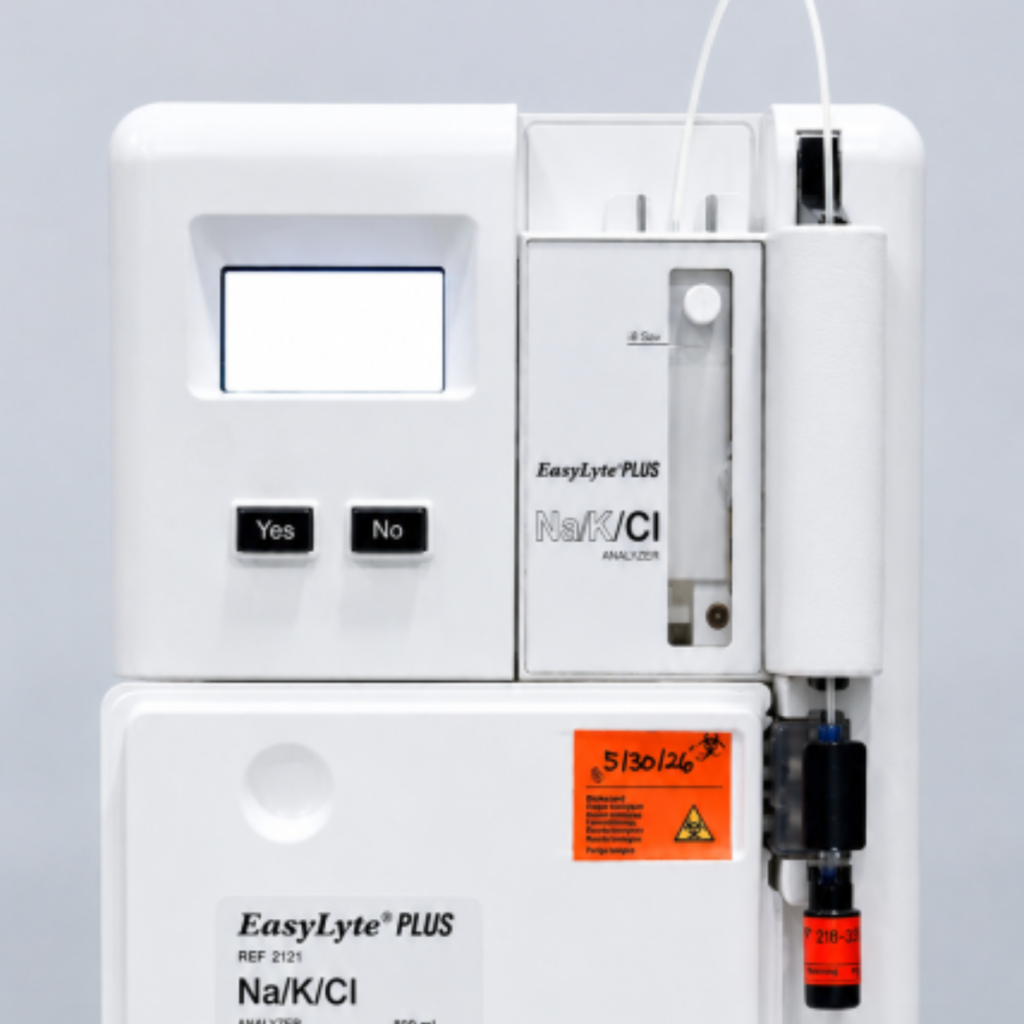
An automated electrolyte analyzer used to measure important electrolytes involved in fluid balance and normal body function.
Tests:
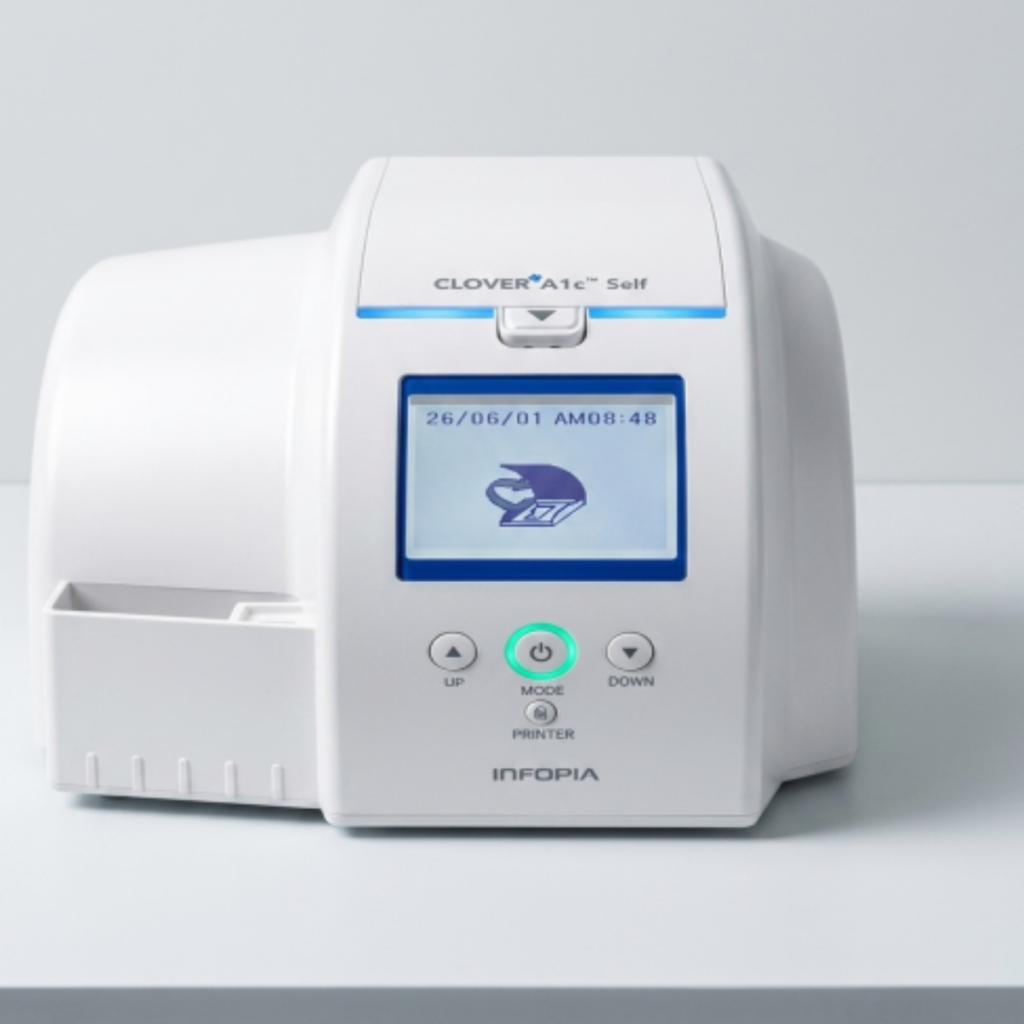
A dedicated analyzer used for HbA1c testing, which provides information about longer-term blood glucose control.
Test:
Supports:
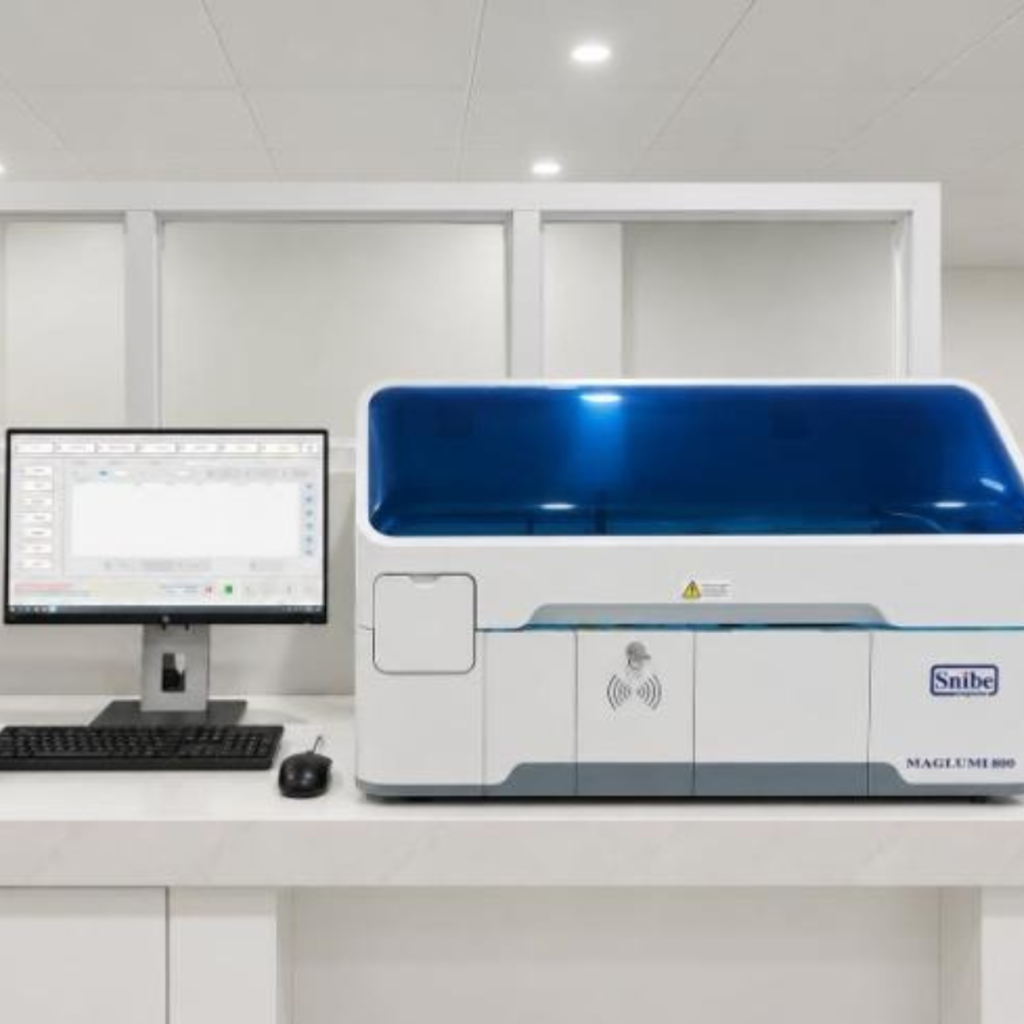
An automated chemiluminescence immunoassay system used for specialized hormone, thyroid, and cardiac-marker testing.
Supports testing such as:
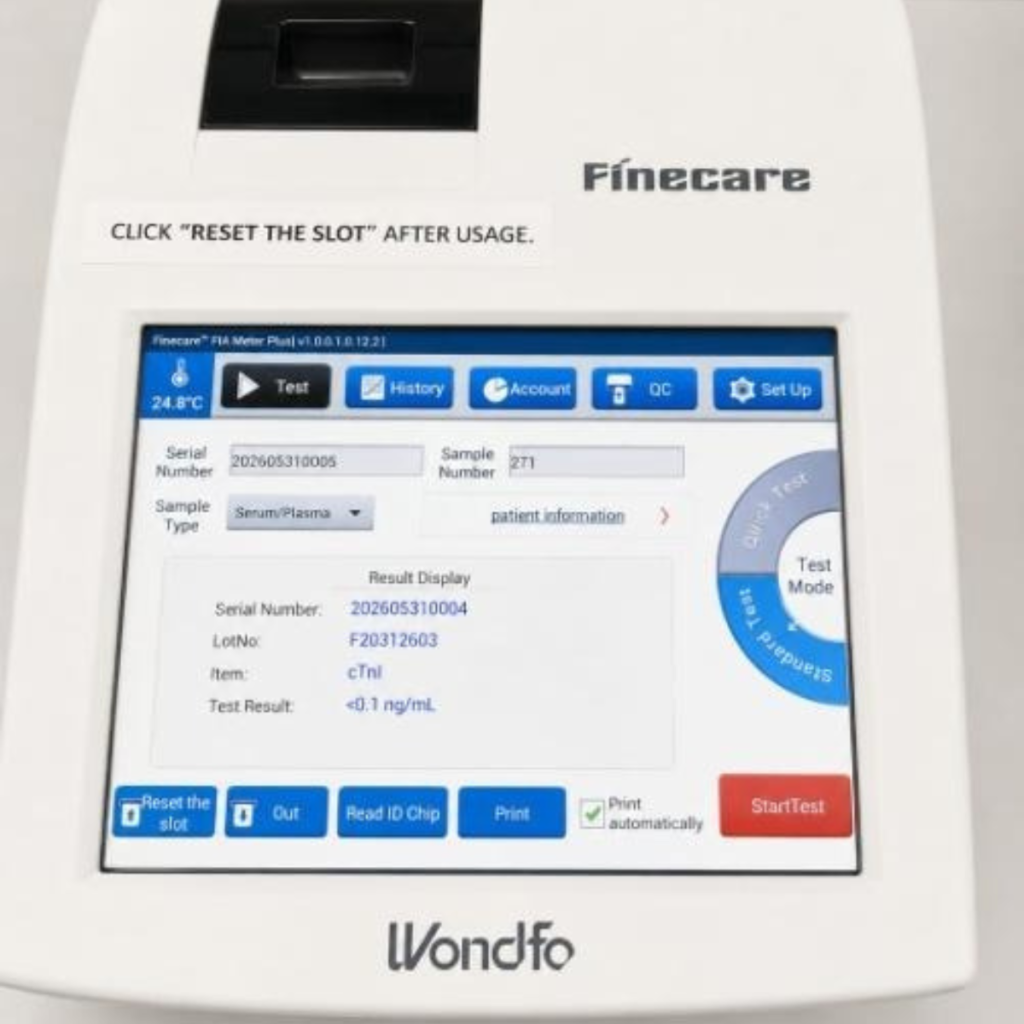
A fluorescence immunoassay system that provides rapid quantitative testing for selected inflammatory, thyroid, and cardiac markers.
Supports testing such as:
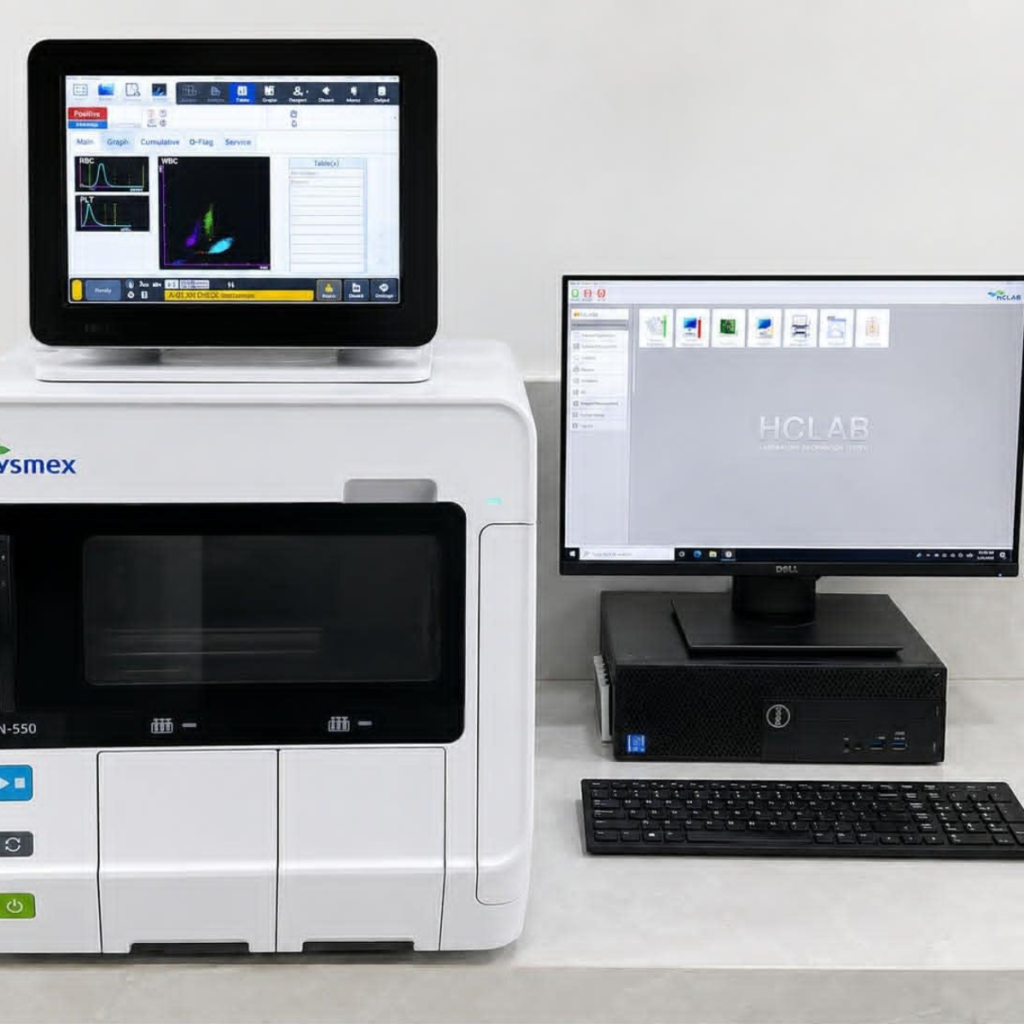
An automated hematology analyzer designed for fast and accurate blood-cell analysis.
Tests include:
It supports the laboratory’s evaluation of conditions involving anemia, infection, blood-cell abnormalities, and other hematologic concerns.
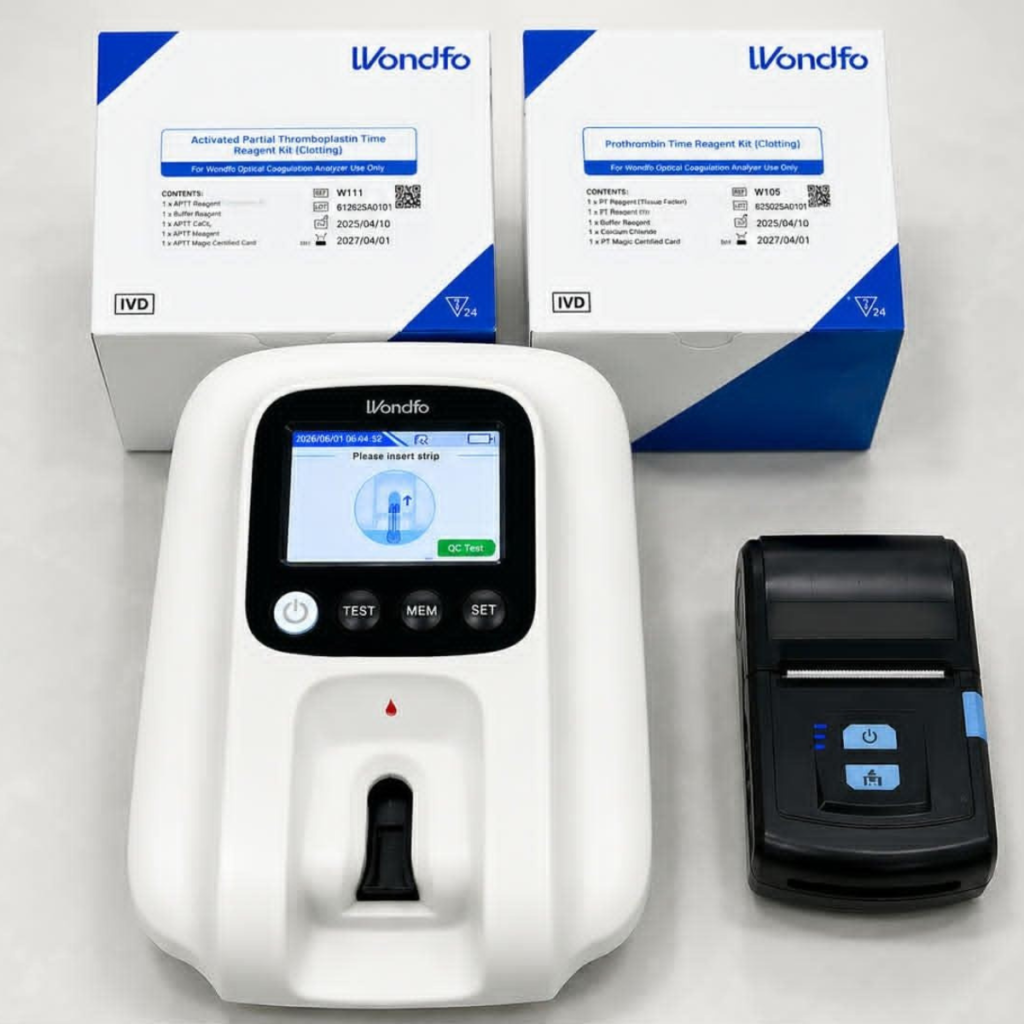
A compact coagulation-testing system used to assess important blood-clotting parameters and support timely clinical decisions.
Tests include:
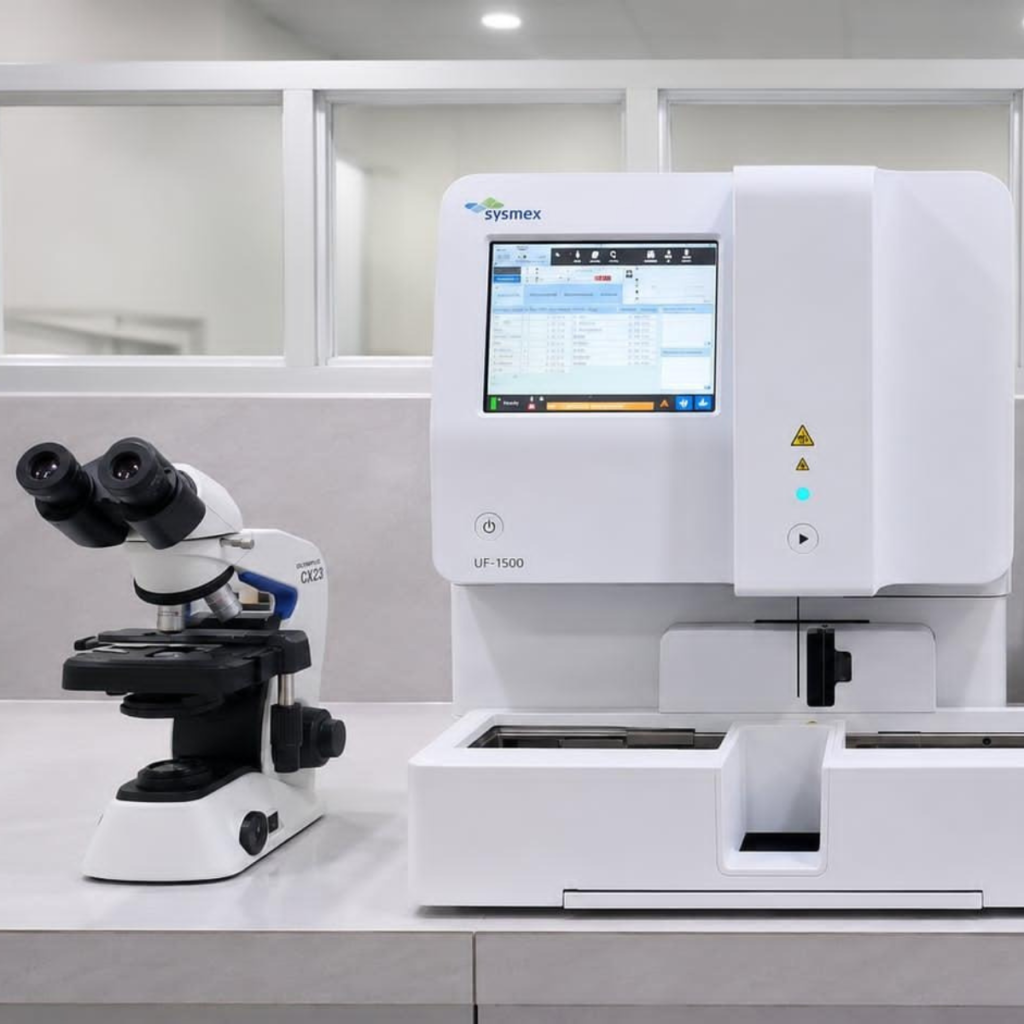
An automated urinalysis system that uses fluorescence flow cytometry to support efficient and consistent urine analysis.
Supports:
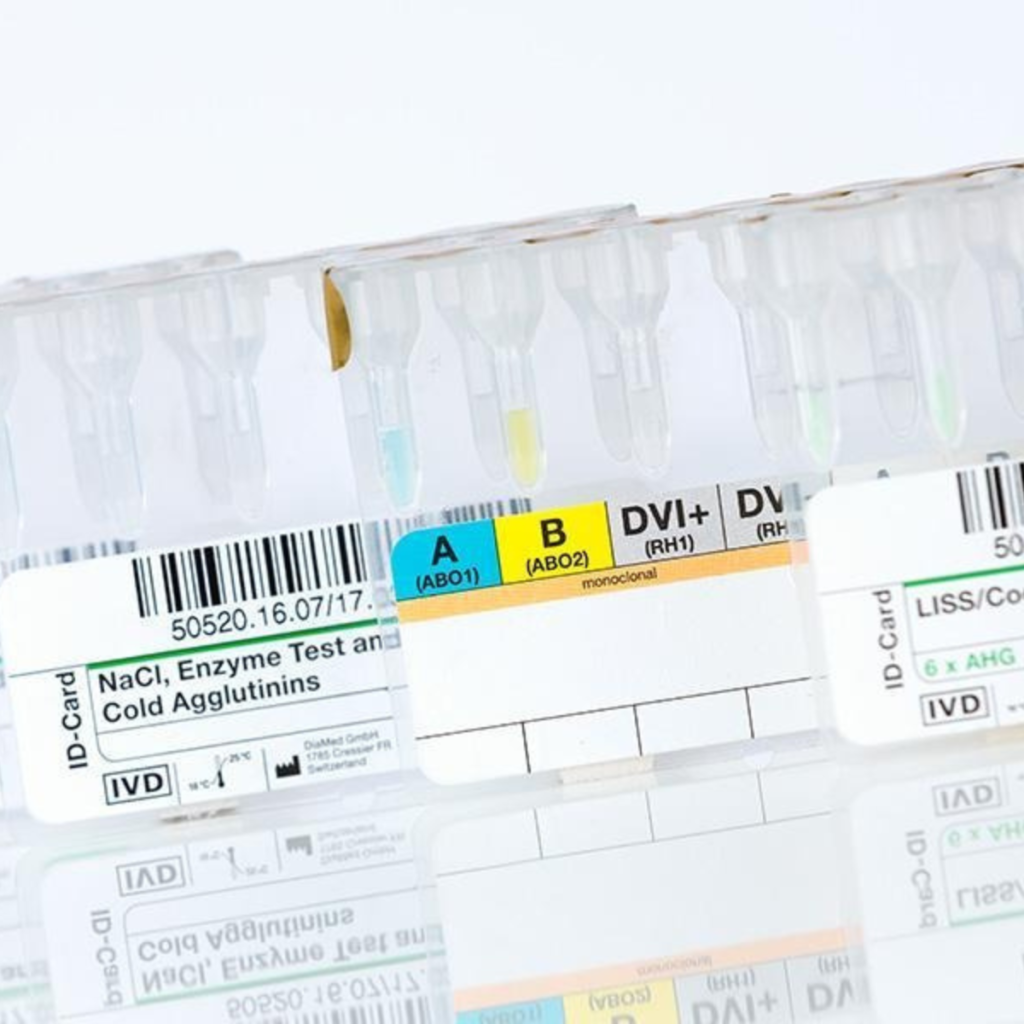
An immunohematology system used for blood typing and compatibility testing to support safe transfusion-related care.
Tests include:
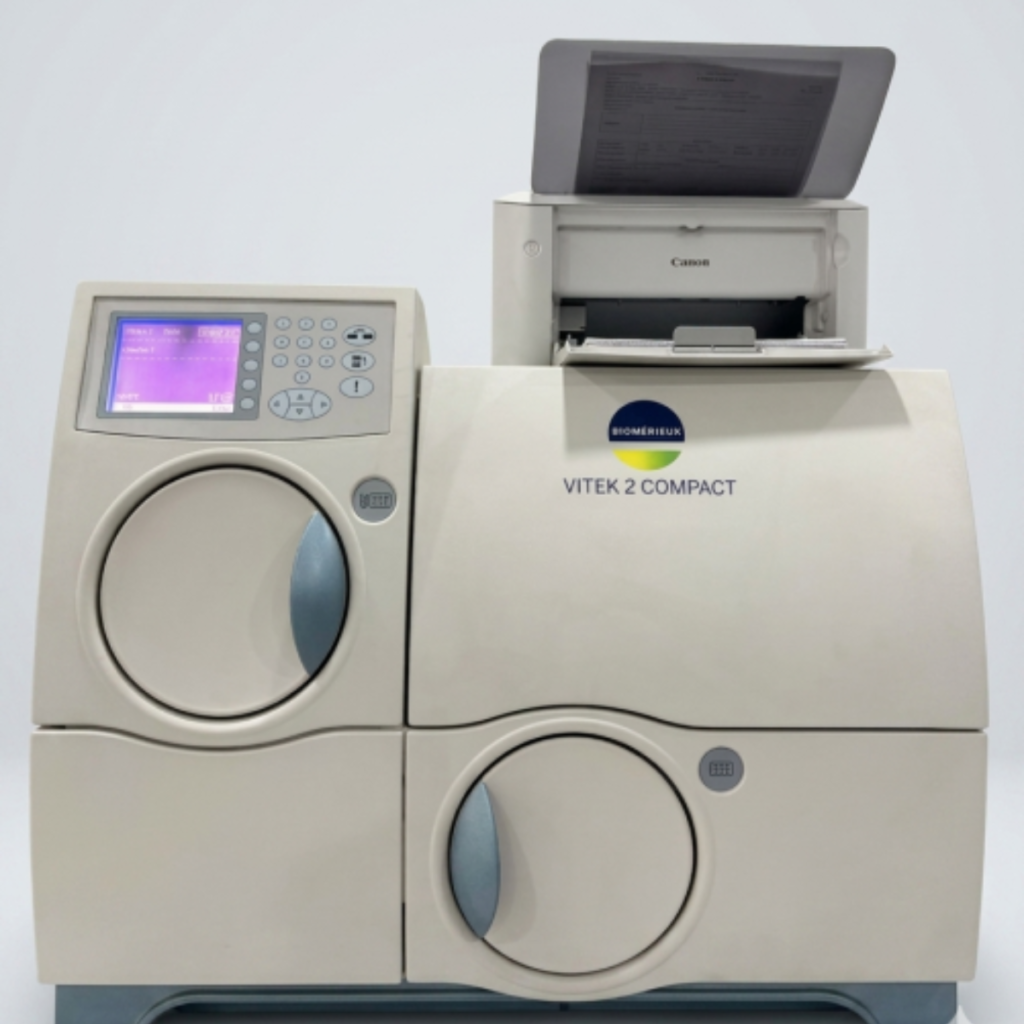
An automated microbiology system used to identify microorganisms and perform antimicrobial susceptibility testing.
Supports culture testing involving:
Our laboratory equipment works alongside the expertise of trained laboratory professionals and established quality-control practices to support reliable diagnostic testing.
Reliable laboratory testing depends not only on technology, but also on consistent quality practices throughout the testing process.
Routine internal quality-control procedures are performed to help monitor the consistency and reliability of laboratory testing.
Laboratory equipment undergoes appropriate calibration and maintenance as part of maintaining dependable analyzer performance.
The Laboratory participates in External Quality Assessment programs as part of its quality-assurance practices.
Laboratory processes are carried out with attention to applicable national laboratory standards.
The Clinical Laboratory provides services across Hematology, Clinical Microscopy, Immunology & Serology, Clinical Chemistry, Special Chemistry, Blood Station, Microbiology/Bacteriology, Histopathology, and selected other diagnostic services.
Yes. The laboratory’s supplied service list includes common examinations such as CBC, urinalysis, blood sugar and chemistry testing, as well as specialized tests involving thyroid function, cardiac markers, microbiology, blood compatibility, histopathology, and other diagnostic services.
Yes. The Microbiology/Bacteriology Section lists Culture and Sensitivity among its available services. The equipment material also identifies the VITEK 2 Compact for organism identification and antimicrobial susceptibility testing
Yes. The Special Chemistry Section lists T3, T4, FT3, FT4, and TSH among its available tests.
Yes. The Blood Station provides blood typing and crossmatching services. The hospital’s equipment information also identifies compatibility-testing capabilities through the DiaMed ID Gel Card System.
The laboratory service list includes Expanded Newborn Blood Screening (ENBS) under Other Diagnostic Services.
Contact Nazarenus Hospital for information about available laboratory examinations, test preparation, laboratory services, and other related inquiries.